
Curator: Sara Anvari
Duration: January 5 to 19, 2026 (15–19 Dey 1404)
Venue: Karastan Building, Tehran (Located near Vali-e-Asr Crossroads)
The curatorial project "As everything is forgotten" focused on Puli Surkh (The Red Bridge) in Kabul. Above all, it serves as a reflection of an encounter deeply intertwined with the erased history of the Hazaras and the Shia population of West Kabul. In a region whose people have historically been treated as second-class citizens, bearing the historical weight of massacres and enslavement, Puli Surkh emerged as a vital arena for identity representation—a domain carved out in defiance of systemic deprivation from military, economic, and political spheres. This urban space fostered cultural survival within discriminatory structures, making its comprehension crucial to parsing the processes of historical marginalization today. For the generation of immigrants returning from Iran, Puli Surkh became a stage for cultural consumption and the fashioning of a new identity. Its cafes, bookstores, and cultural associations were not merely novel venues; they were instruments for reproducing the possibilities of modern life amidst chronic instability. This cultural consumption manifested as a form of symbolic resistance—an endeavor to forge a cultural class grounded in literacy and art rather than political power.
However, PuliSurkh carries a significance that transcends the immediate lived experience of the Hazaras in Kabul. It is precisely this broader resonance that compelled the project's curator, Sara Anvari, to gather its narratives. The project originated from a deeply personal connection—a bond that, in Sara's words, was "not a mere research topic, but a complex relationship between a lived experience and an unexperienced geography."
Serving as the inception of a long-term continuum, this exhibition was an attempt to construct a frame for looking; a narrative that interprets contemporary history not as a linear progression, but as a constellation of unfinished dreams, experiences excised from official memory, and suppressed voices. The vulnerable geography of PuliSurkh must be documented and preserved—not merely on maps or within official history books, but within ourselves.
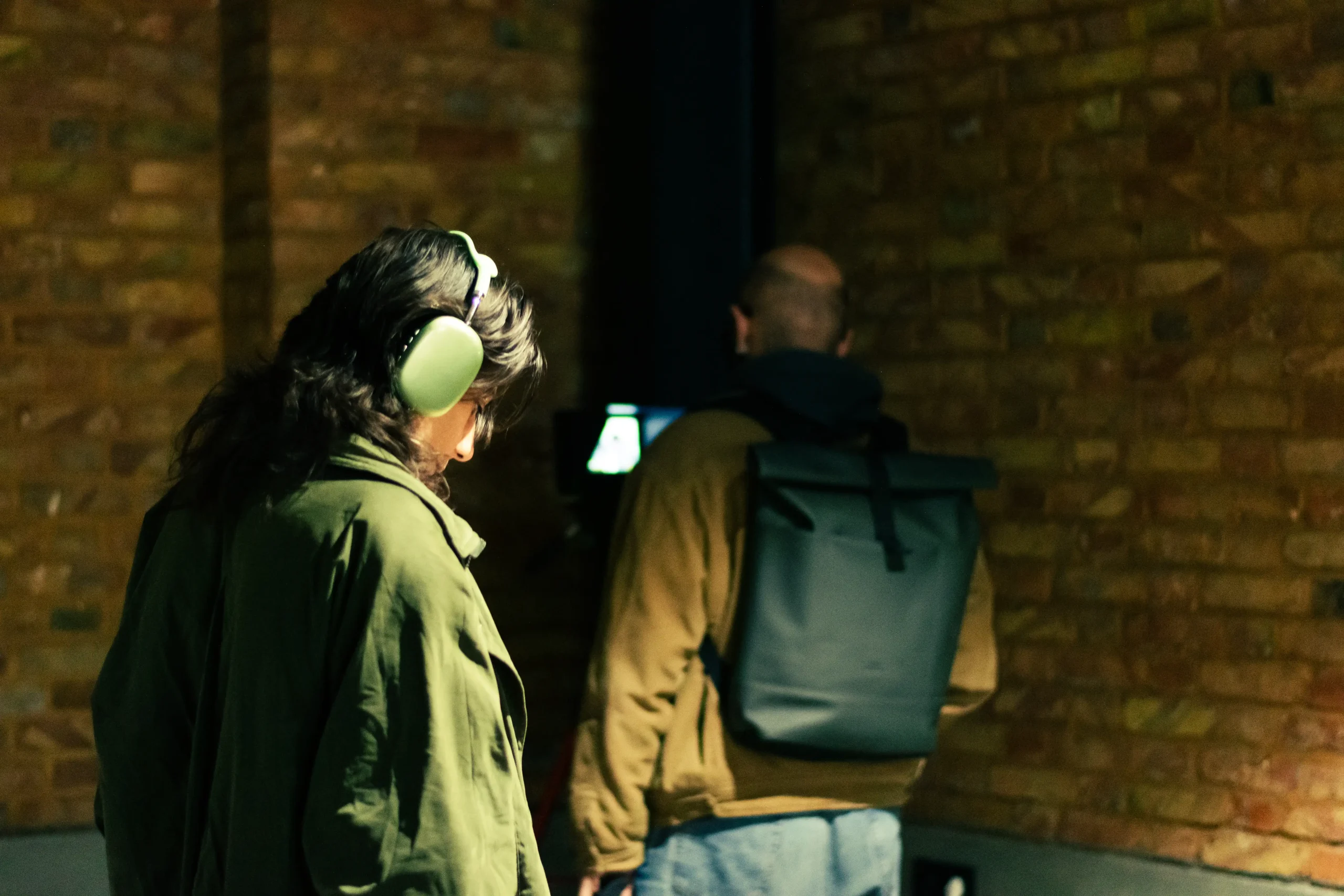
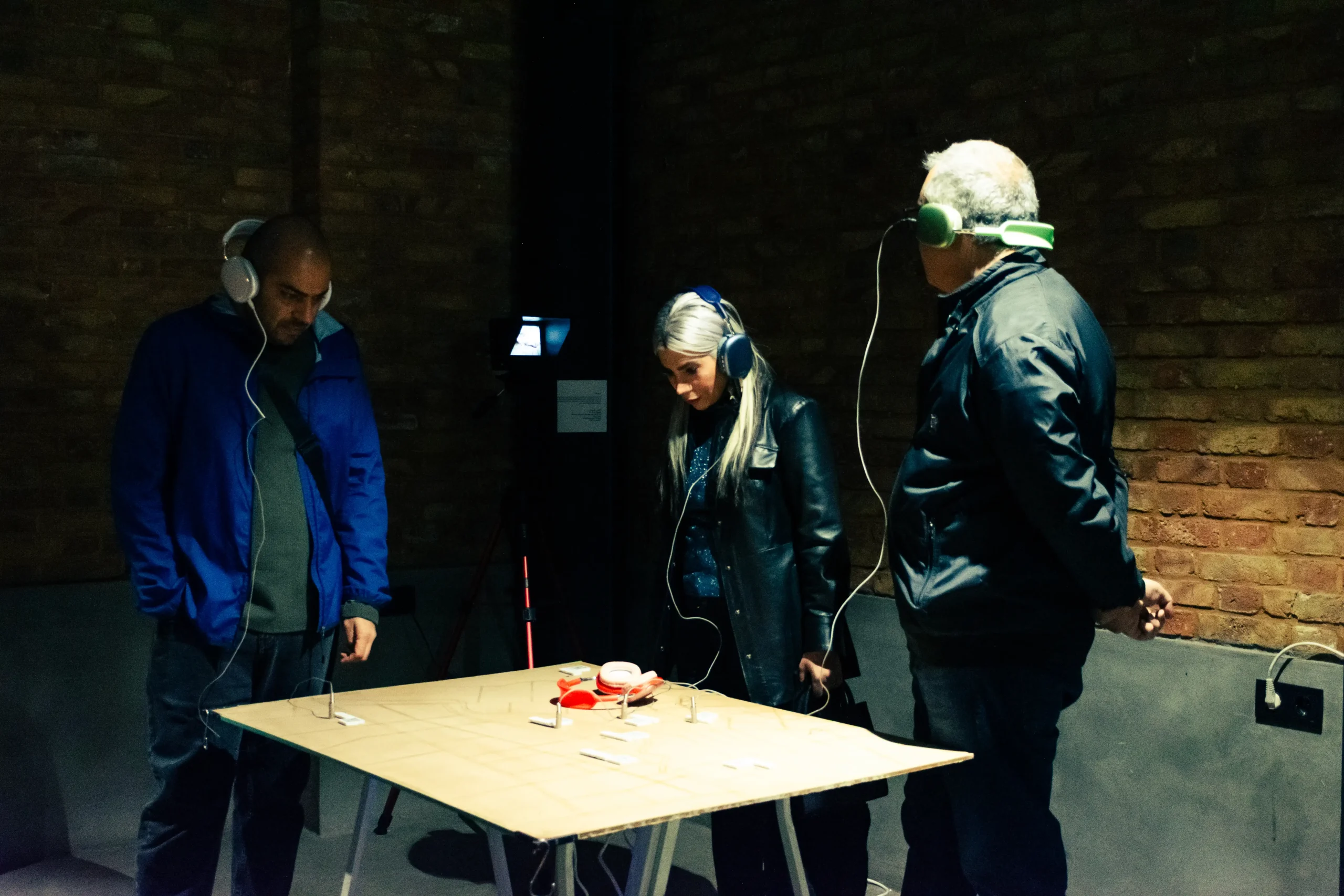
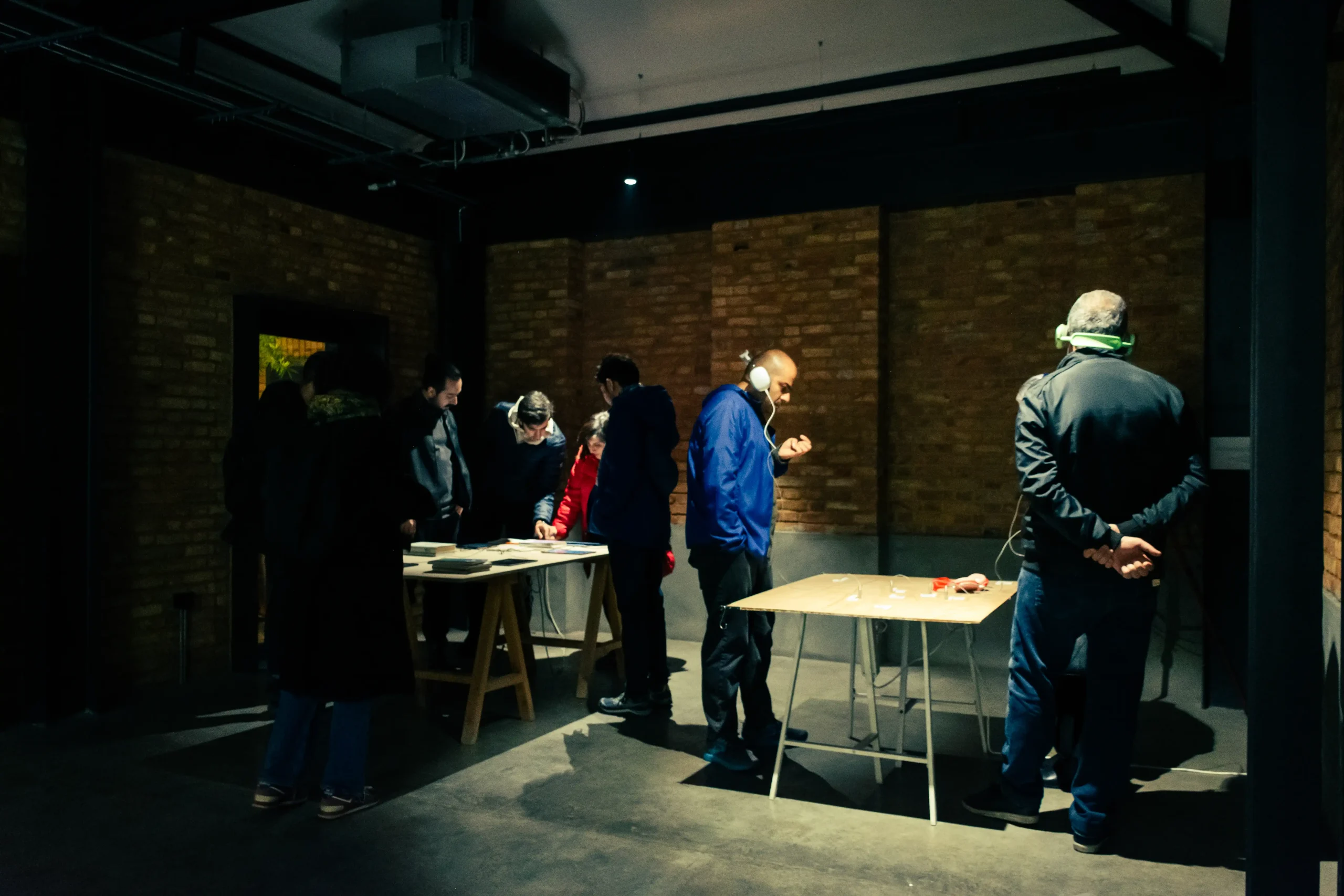
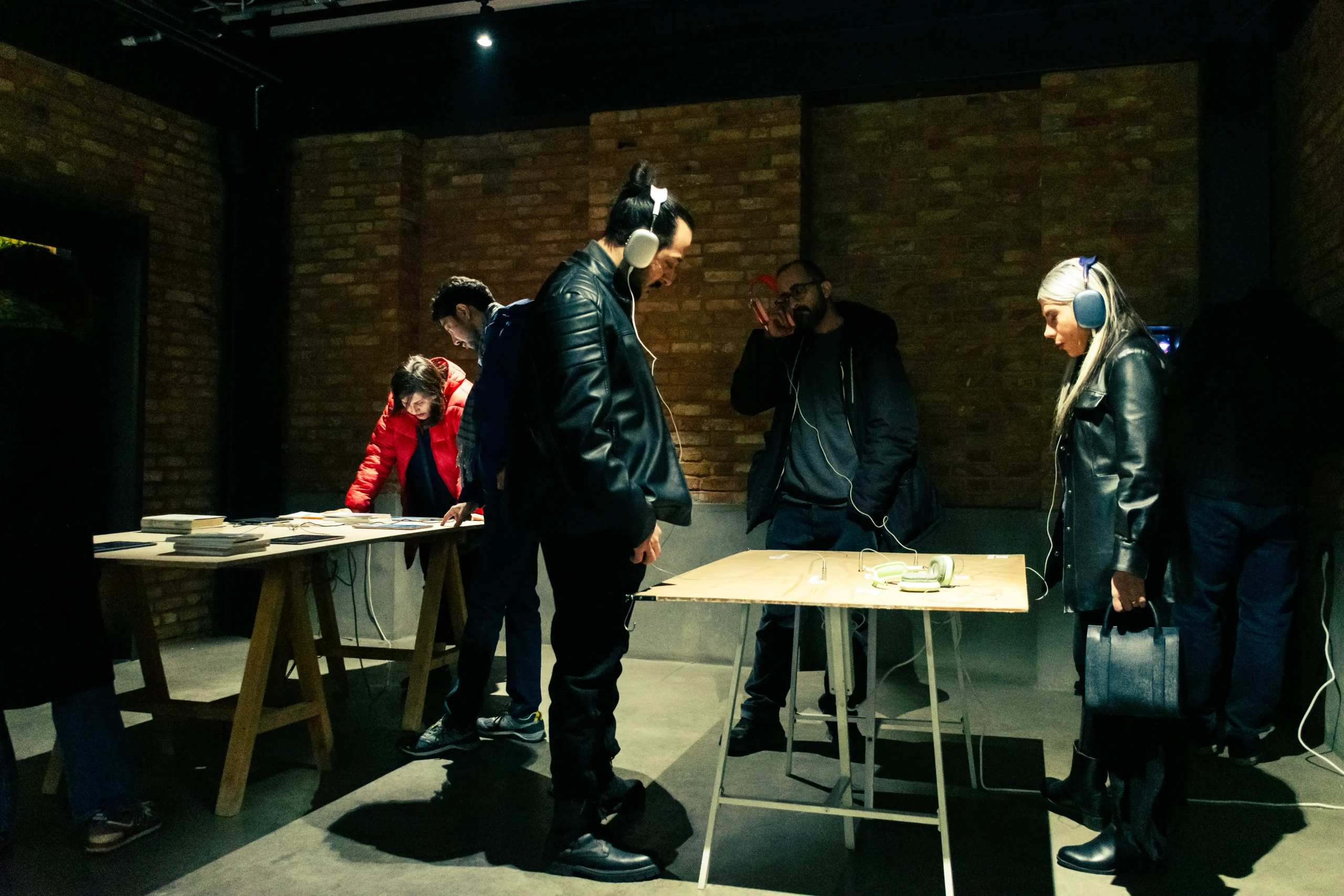
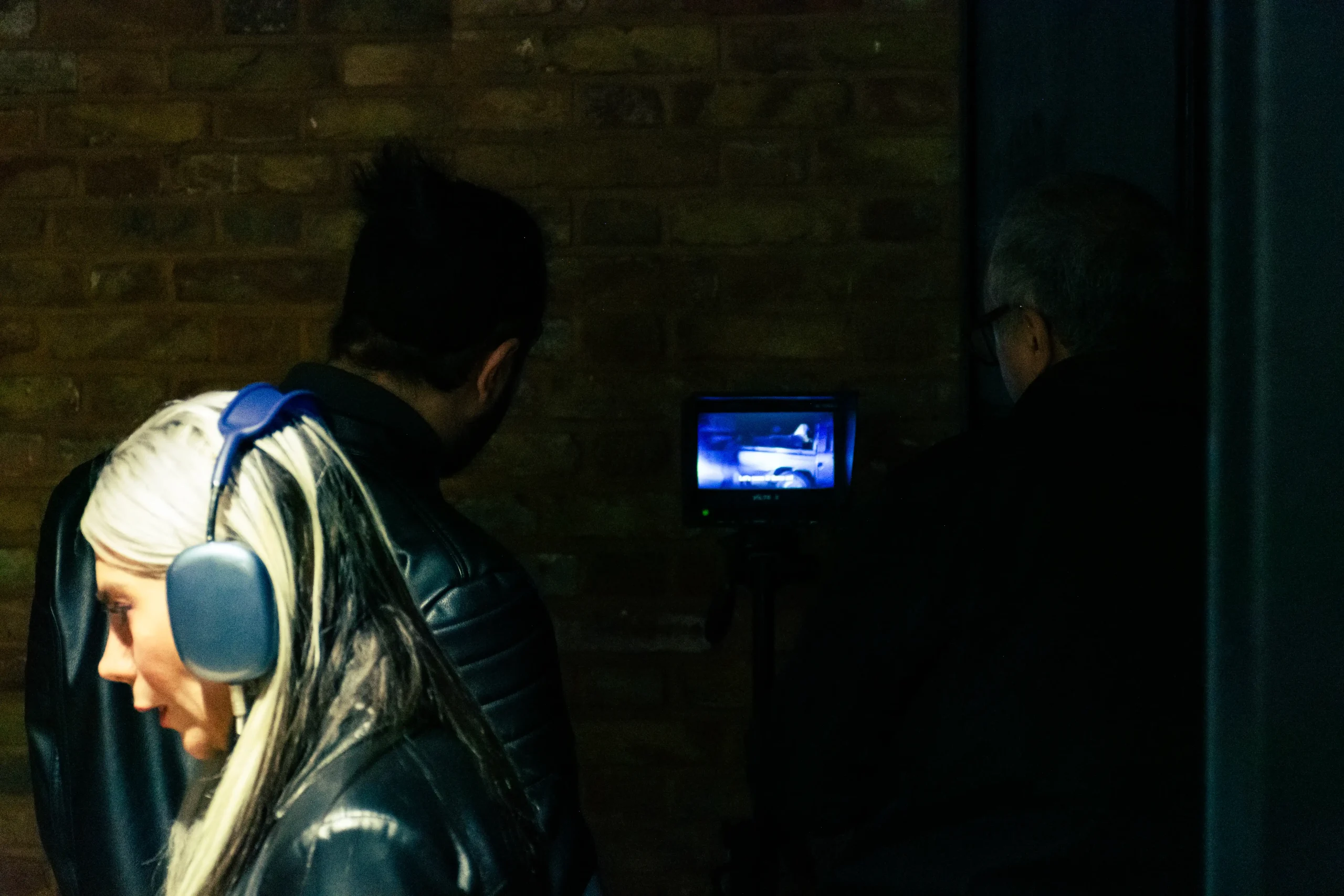
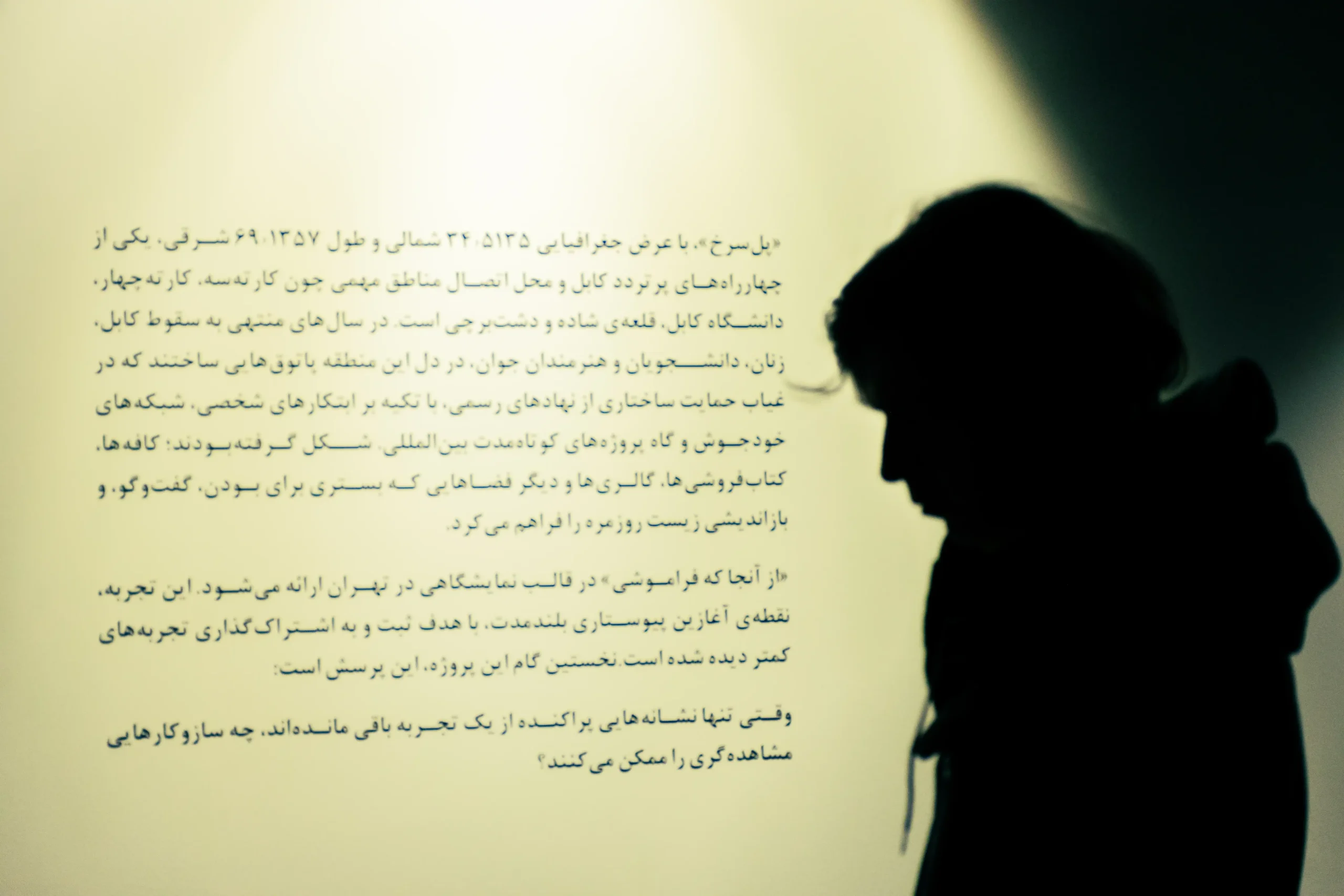
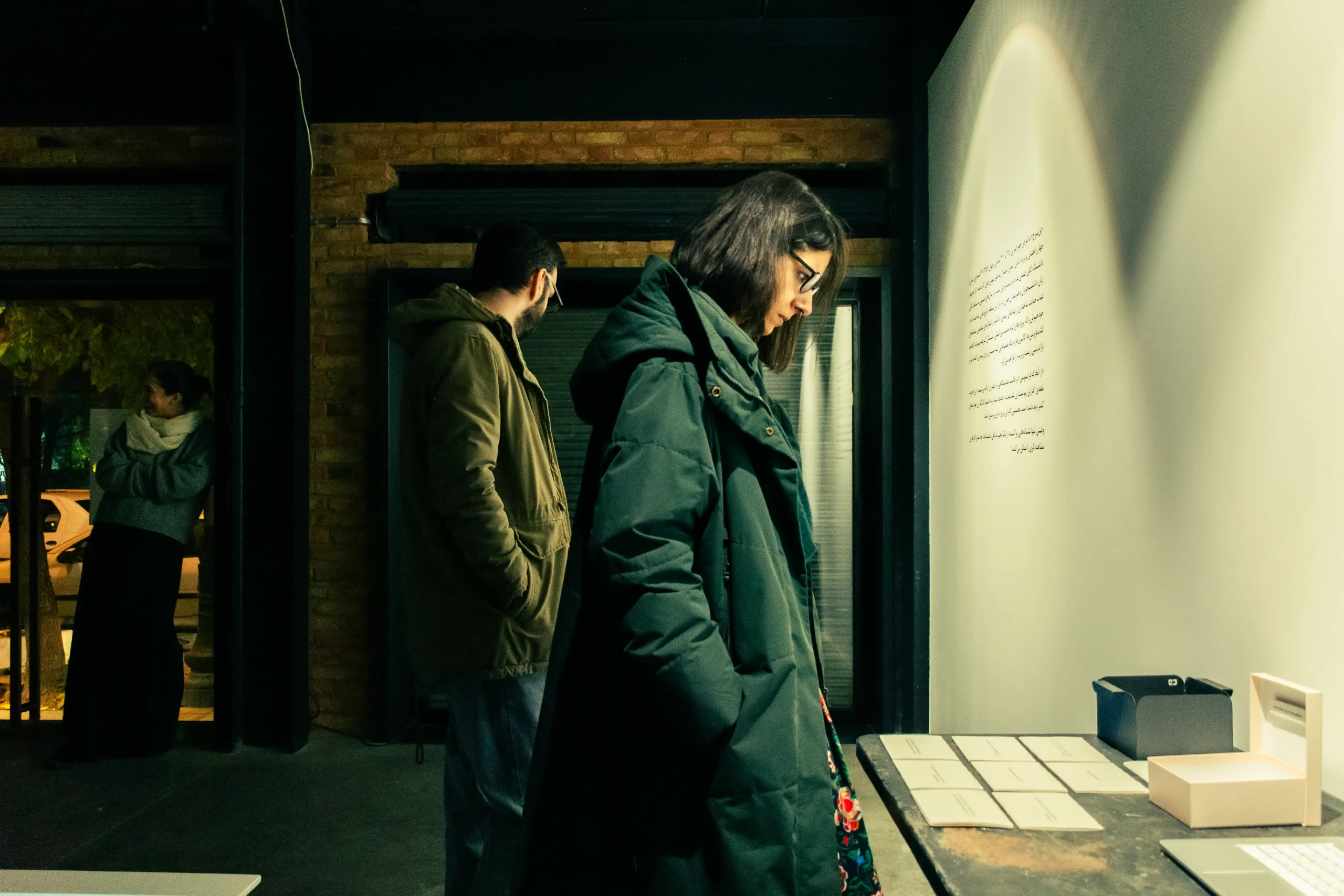
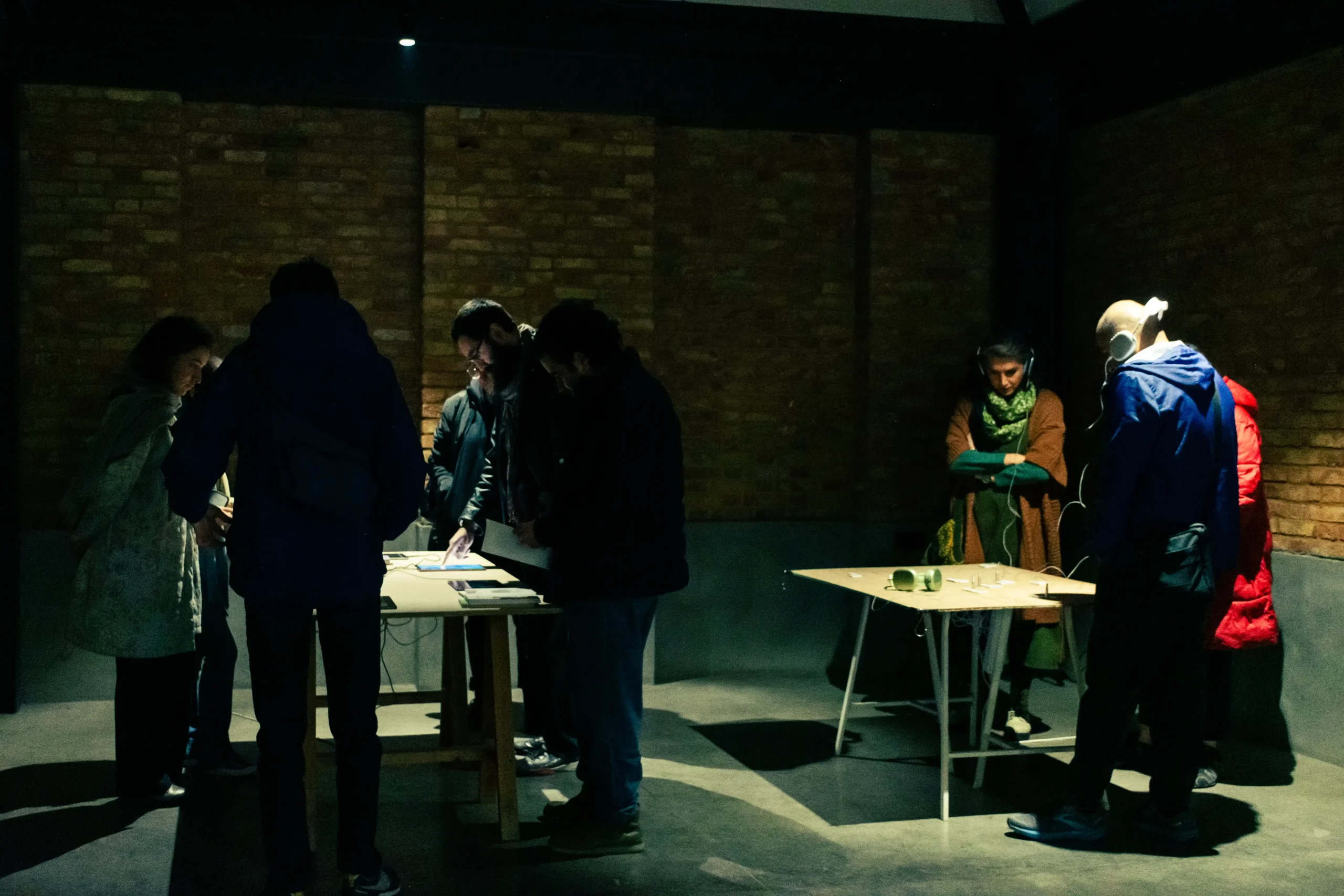
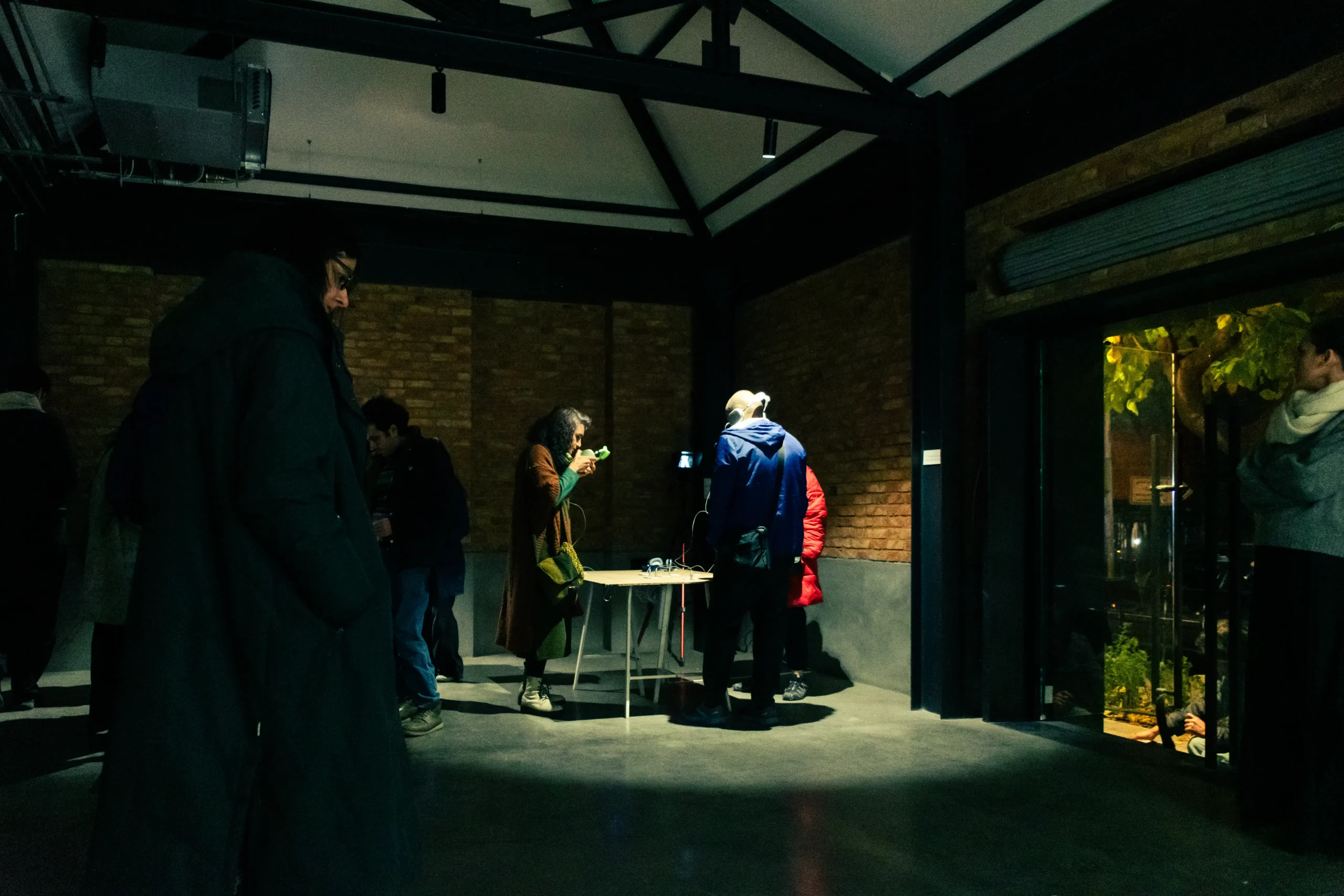
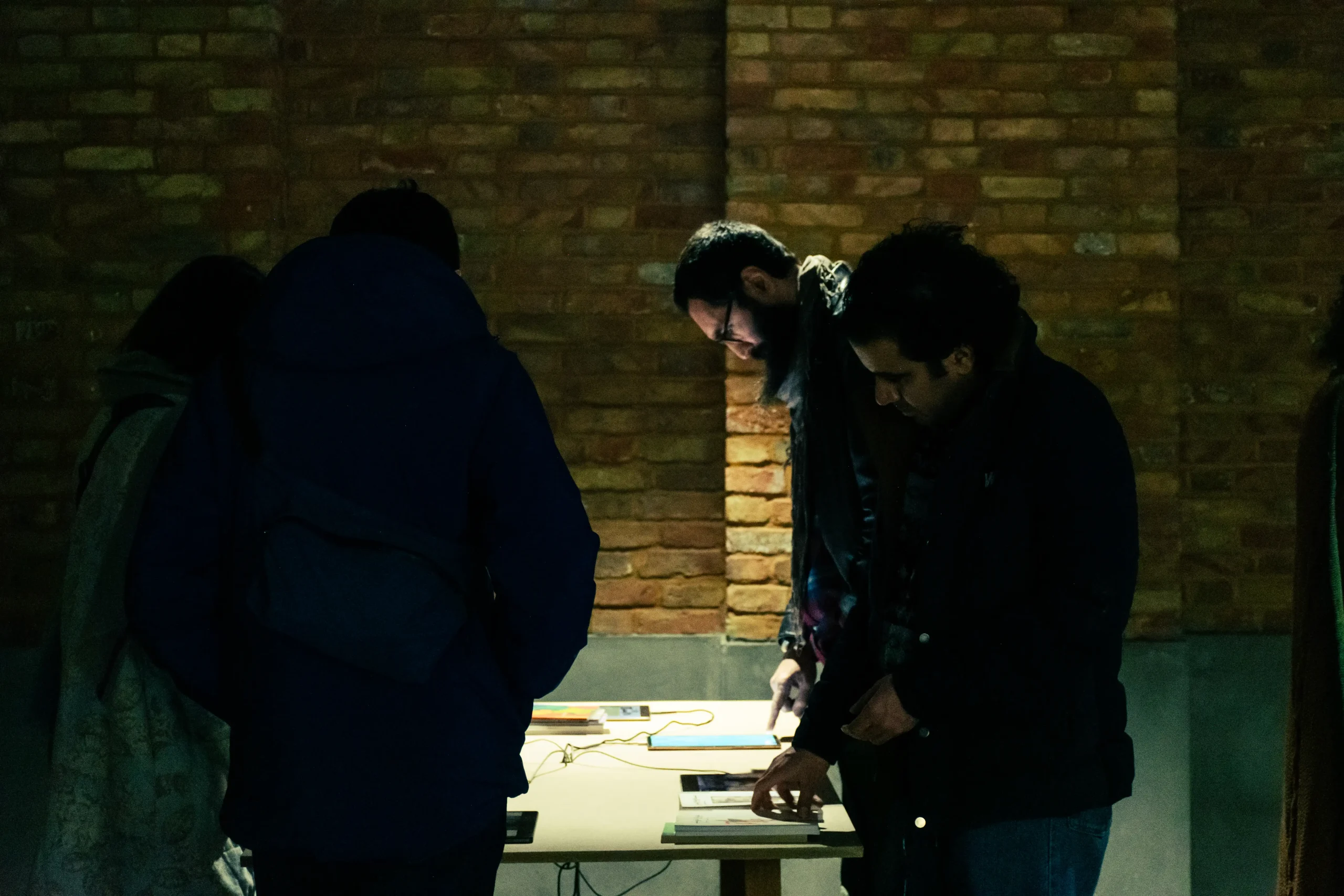
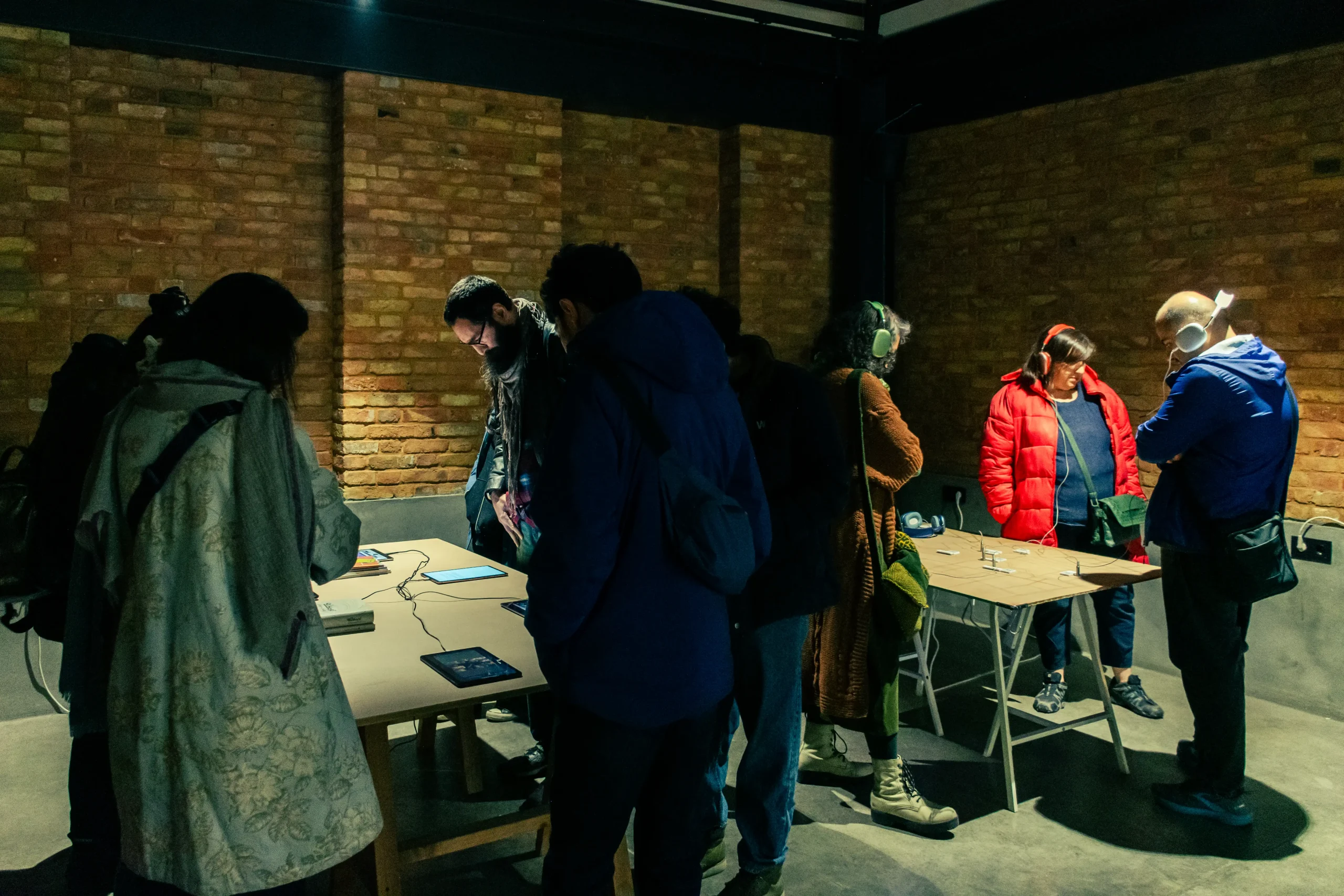
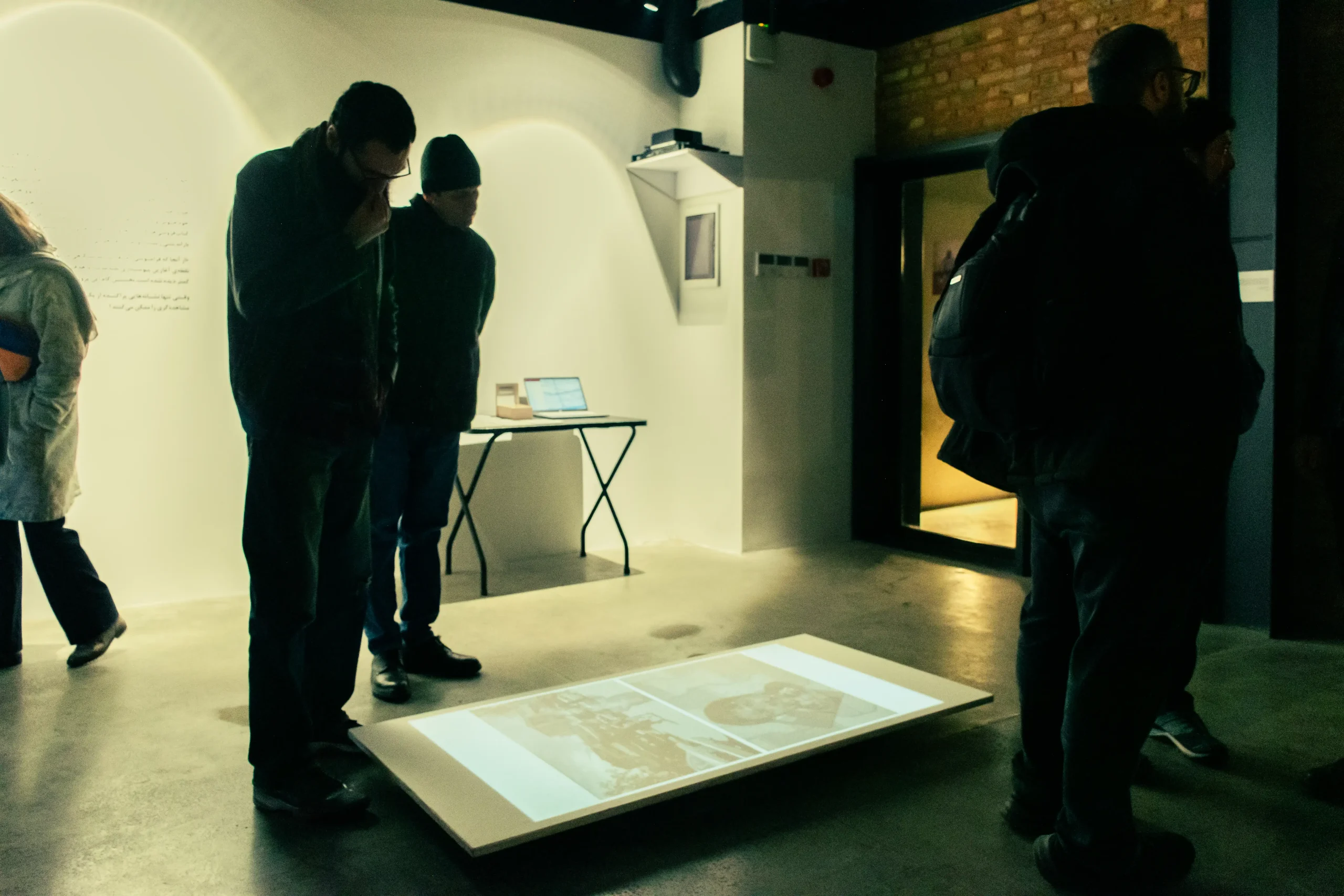
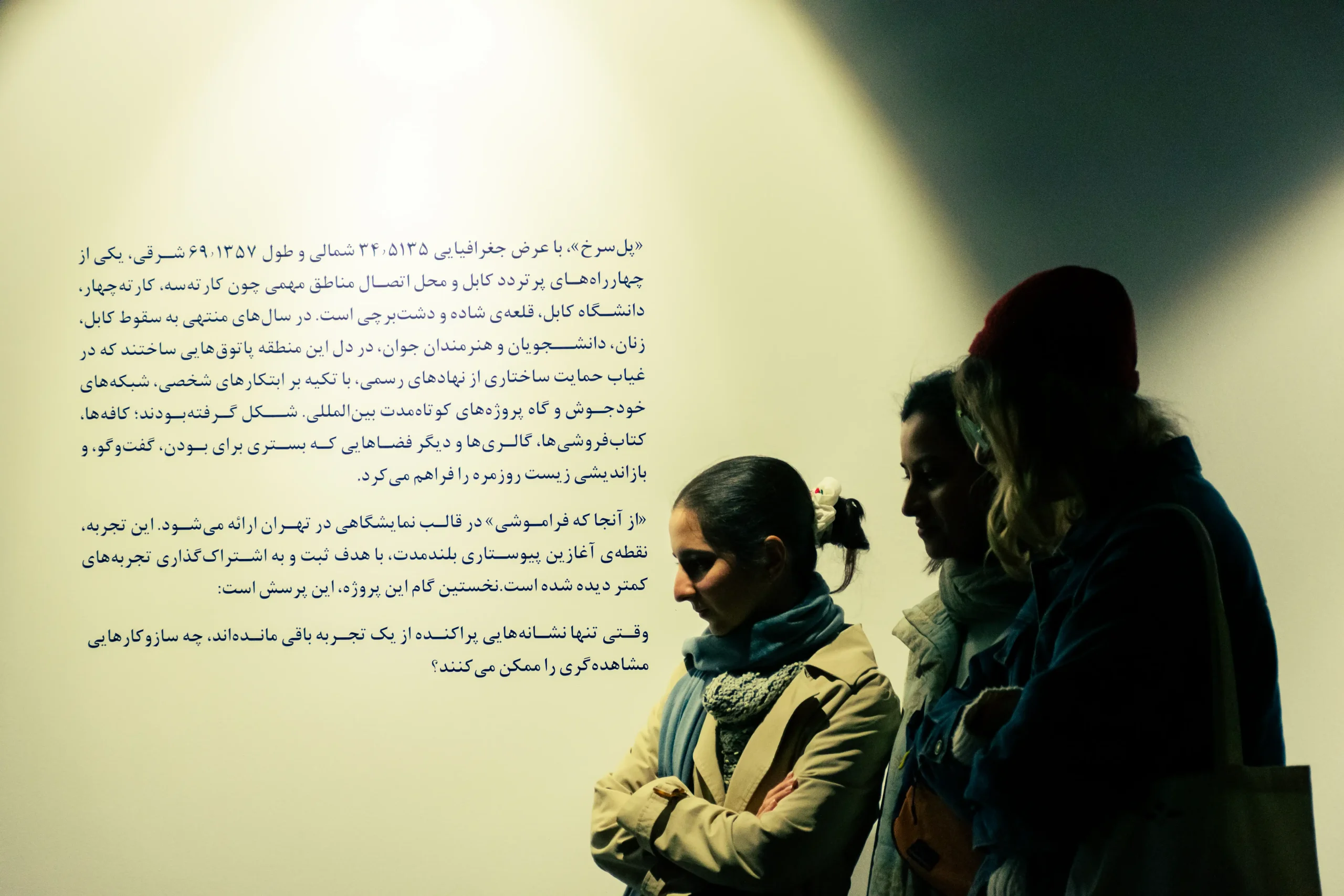
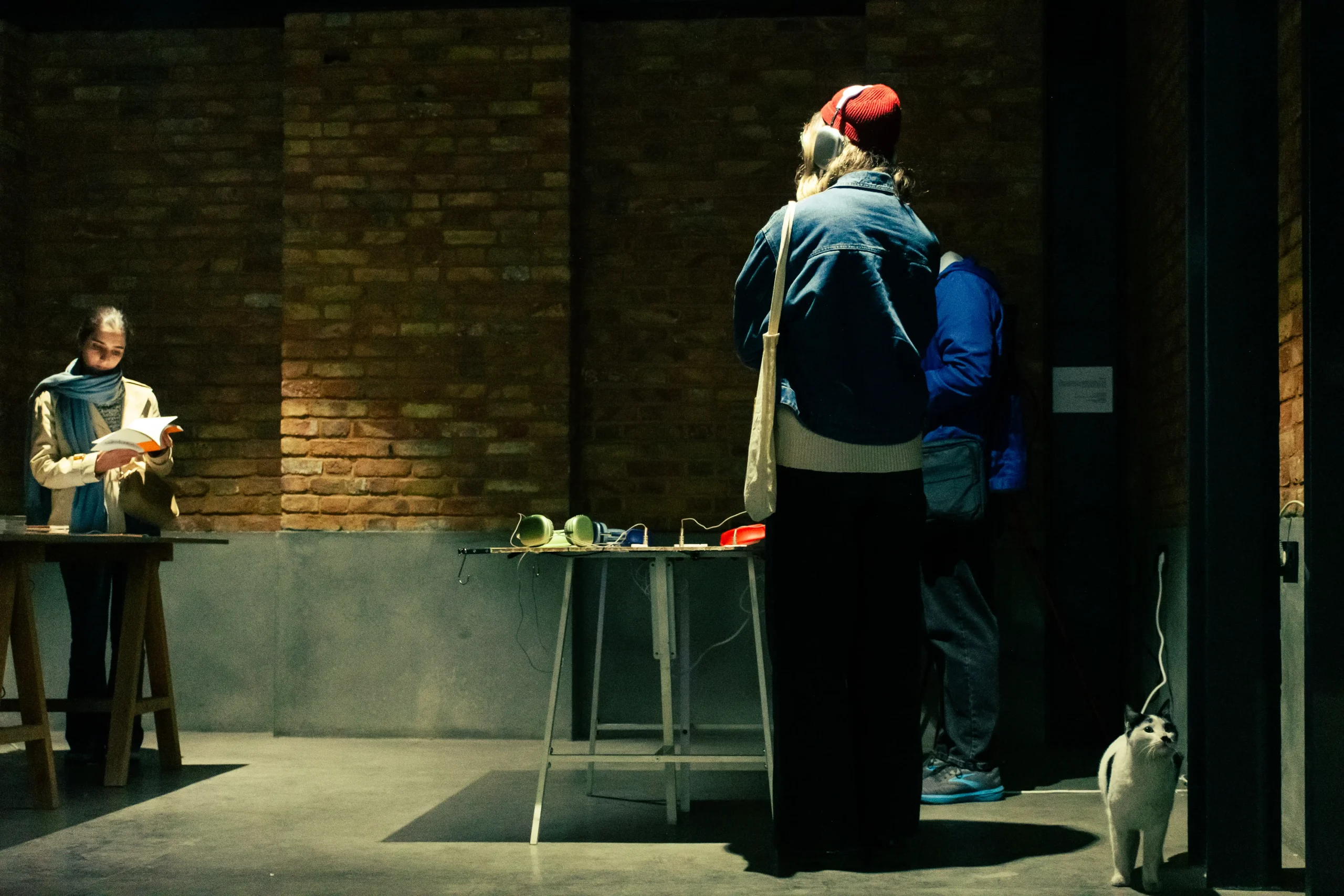
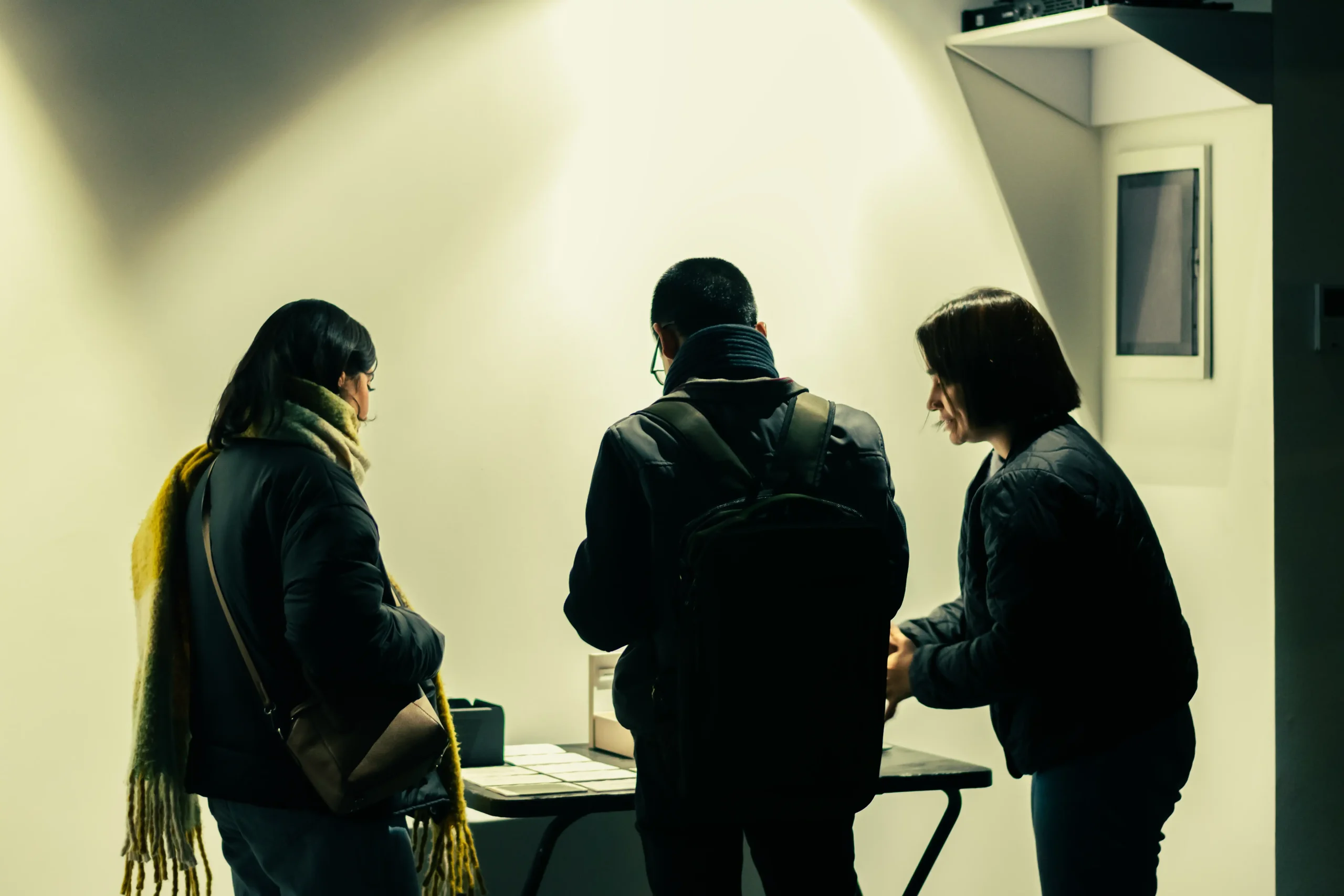
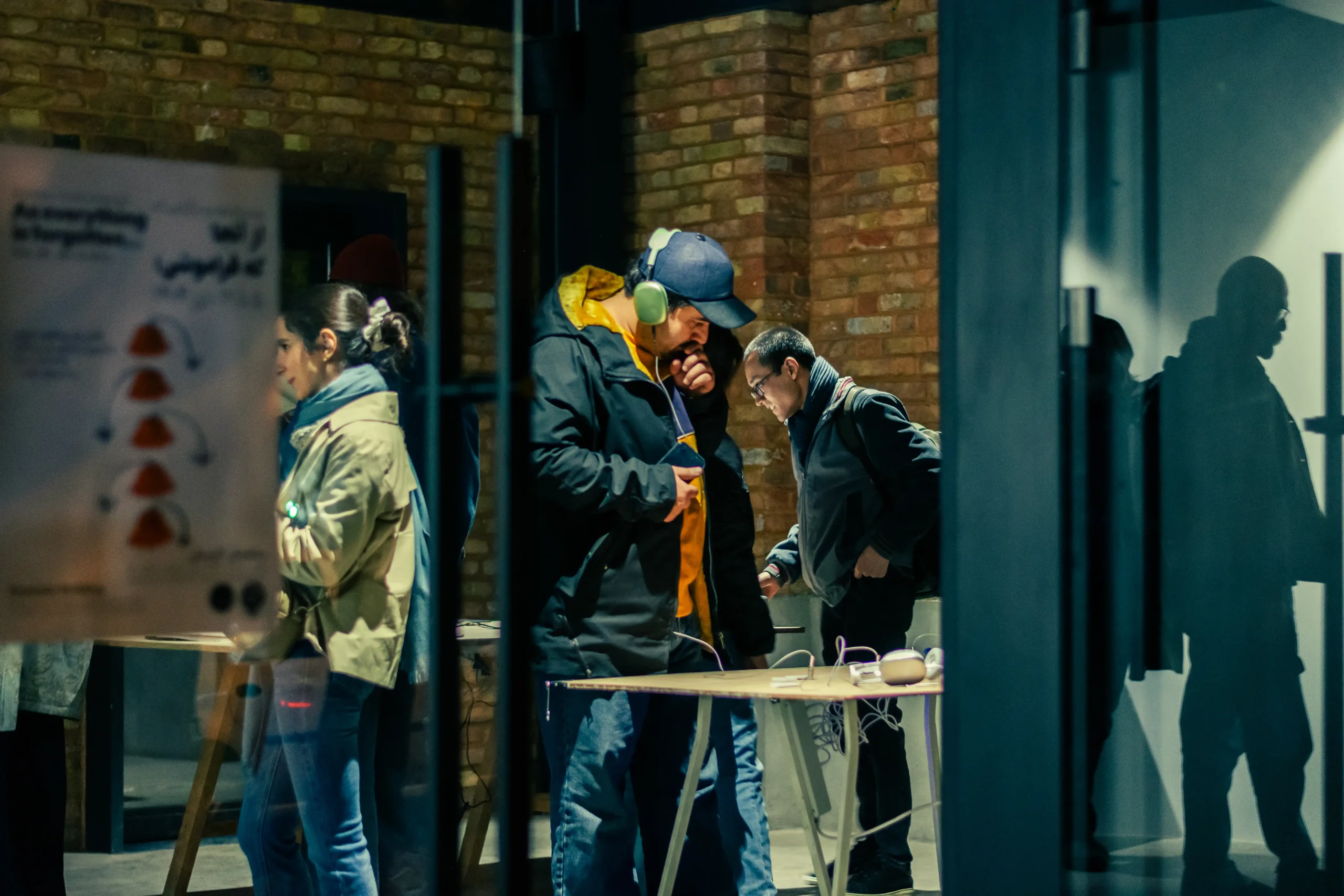
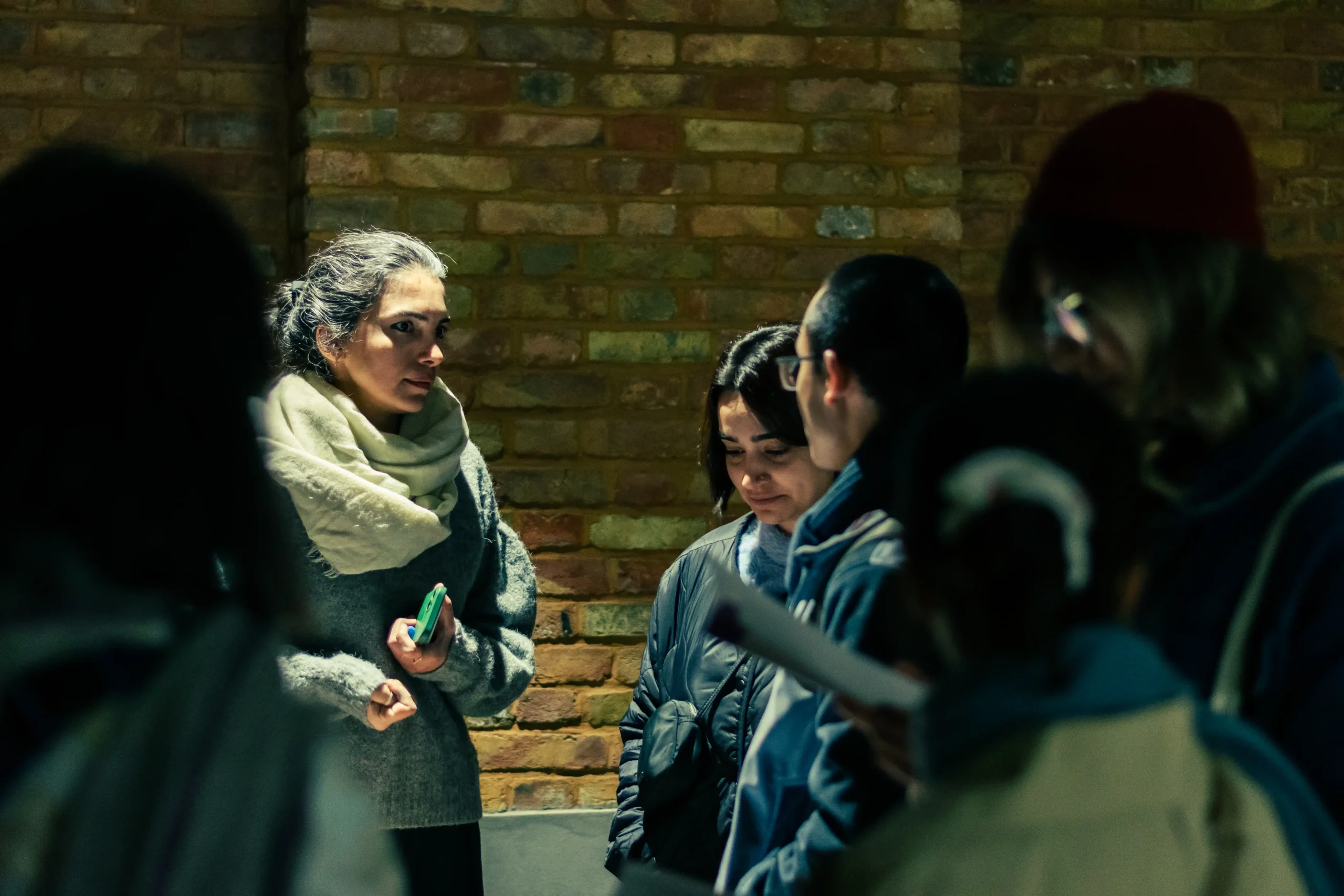
In response to the project's core question, the exhibition focuses on the concept of "Archiving on Temporary Materials" as a methodological research strategy to safeguard history in a state of imminent destruction. This approach references a long historical tradition found in prison and exile literature, where mundane, disposable consumer items become the primary vessels of memory—akin to Mikhail Bakhtin’s notes scribbled on temporary scrap papers, or Bozorg Alavi documenting his Scraps of Prison on the edges of cigarette paper wrappers. Within the context of PuliSurkh's geography, this concept was tangibly reproduced in August 2021; when residents on the verge of forced exile were compelled to bury their digital repositories of memories (their mobile phones) deep in the soil to shield them from official inspection and systemic destruction. By curating these fragile, unofficial, and ostensibly "low-value" traces, this archive attempts to demonstrate on what material reality stands when physical space is obliterated.
If memory is the final vestige remaining to summon a lost geography, this exhibition was an intentional act of remembering PuliSurkh—which today is no longer just a neighborhood in Kabul, but a paradigm replicated across spaces of hope and loss throughout the Middle East.
This project, the extension of which inspired the creation of this very website, represents an effort to construct a lived archive; an archive that is neither official, nor complete, nor neutral. The exhibition sought to reconstruct the marginalized experiences of PuliSurkh’s narrators, artists, and cultural activists by assembling a collection of interviews, personal photographs, diaries, and audio recordings that found no sanctuary in official memory or were swiftly purged from it. The physical absence of many narrators inherently transformed into a structural element of the narrative style—absence functioning as another form of presence. The exhibition summoned PuliSurkh as a living geography: a space suspended between dream and downfall, between zeal and exhaustion, between the unheeded voice and an enduring presence. Yet, this historical reading does not solely look backward. Within the exhibition's architecture, the audience was invited to become active agents in the archiving process through reflective prompts and internal inquiries. This participatory engagement continues the very ethos that kept PuliSurkh alive: the collective construction of meaning, memory, desire, and loss.
You can extend and contribute to this narrative beyond the physical exhibition space by scanning the QR code or using the link below to access the submission platform:
Research & Curation: Sara Anvari
Participating Artists: Mohammad Shahab Eslami,
Mohammad Reza Yamak, Mohsen Tasheh
Sound Design: Mahdi BehboodiAudio
Archive Editing: Behnaz Habibinia, Mehrdad Farshi Ahmadi
Textual & Editorial Support: Leila KhodabakhshGraphic Design: Amirali Ghasemi
Hassan Azarmehr, Ahmad Emami, Tareq Qasemi, Sadeq Naseri, Hassan Nouri, Mohammad Agha Zaki, Niloufar Langar, Mokhtar وفایی (Vafayi), and anonymous recordings.
Visiting Hours: Daily 16:00 – 20:00 (Closed on Saturdays)
Address: No. 50, Corner of Shahriar St., Khark
St., Tehran
Special Thanks to: Omid Ahmadi Lari, Shahab Agahi, Mojtaba Amini, Rashid Bahiraei, Shahin Peymani, Amirhossein Dezfouli, Arash Dehqani, Nima Dehqani, Saman Khosravi, Neda Zarfsaz, Maryam Koohestani, Navid Gohari, Ali Abdi, Maryam Kattan, Maryam Niyazadeh.